
Surgery Is Only Step One: Why Post-Op PT Gets You Home
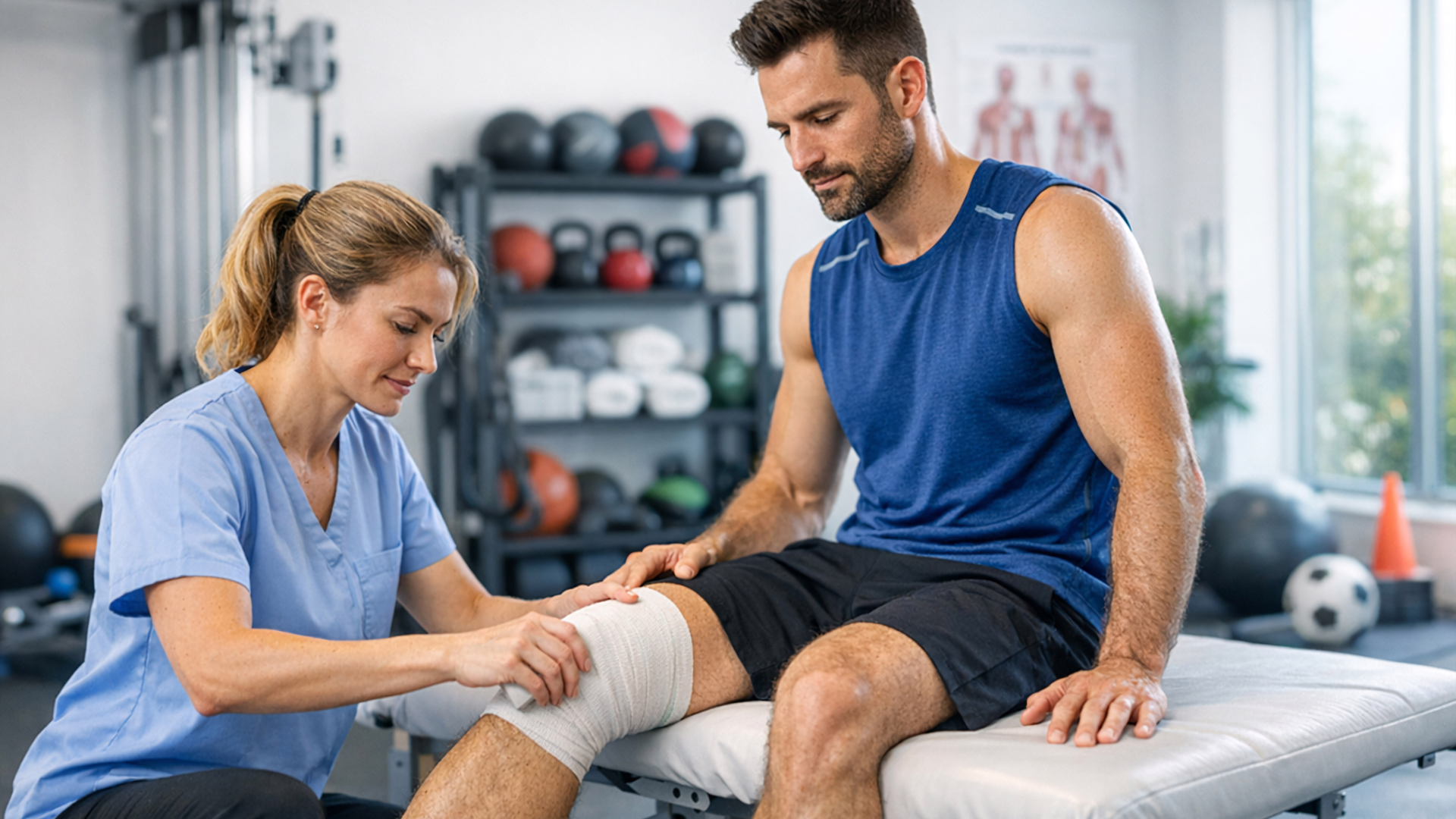
Quick Summary: Post-operative physical therapy is essential for a full recovery after surgery. Without structured rehabilitation, even a technically successful surgery can result in long-term stiffness, weakness, and reduced mobility. For Fort Worth residents preparing for or recovering from surgery, a customized post-op recovery plan helps restore function, control pain, and safely return to the activities that matter most.
Surgery repairs the structural damage. What happens next determines how fully—and how quickly—you return to your life.
That's a distinction most patients don't realize until they're weeks into a difficult recovery, frustrated that progress has stalled despite a successful procedure. The surgeon's work is precise and necessary, but the body's tissues, nerves, and muscles still need guided rehabilitation to regain their pre-injury function. Skip that step, and you risk trading one problem for another: a repaired joint that remains stiff, a healed incision that forms restrictive scar tissue, or muscles so weakened by disuse that they can no longer support the structures the surgeon just fixed.
Patients recovering from joint replacement, rotator cuff repair, ACL reconstruction, spinal surgery, or any number of orthopedic procedures, this post-operative window is critical. Getting structured physical therapy care during recovery—at a clinic with hands-on expertise and a personalized approach—can mean the difference between regaining full mobility and spending years managing a limited one.
At Curnyn Physical Therapy, we've spent over 30 years helping Fort Worth patients navigate post-surgical recovery. Our physical therapist-owned practice has guided hundreds of patients from the early, tentative days after surgery back to the Trinity Trails, the golf course, the pickleball court, and every other corner of their active lives. This guide breaks down exactly why post-operative physical therapy is vital, what it accomplishes at each stage of healing, and what to expect from a comprehensive recovery plan.
What Does Post-Operative Physical Therapy Actually Do?
Post-operative physical therapy—often called post-op PT or post-surgical rehab—is a structured program of hands-on treatment and therapeutic movement techniques designed to restore strength, mobility, and function after surgery. The goal is not simply to "get you moving" in a generic sense. A well-designed post-op recovery plan is specific to the surgery performed, the patient's anatomy, their pre-surgical fitness level, and the activities they want to return to.
Post-op PT typically begins within days to weeks of surgery, depending on the procedure, and progresses through distinct phases—each building on the last. Early sessions focus on pain and swelling control, while later phases address strength rebuilding, coordination, and return to full activity. The timeline and methods vary, but the principle remains constant: structured, guided rehabilitation produces meaningfully better outcomes than rest alone.
What Happens to the Body After Surgery—and Why Rest Isn't Enough
It's tempting to think of surgical recovery as passive—let the body heal, follow wound care instructions, and wait. That instinct is understandable, but tissue recovery is rarely that straightforward.
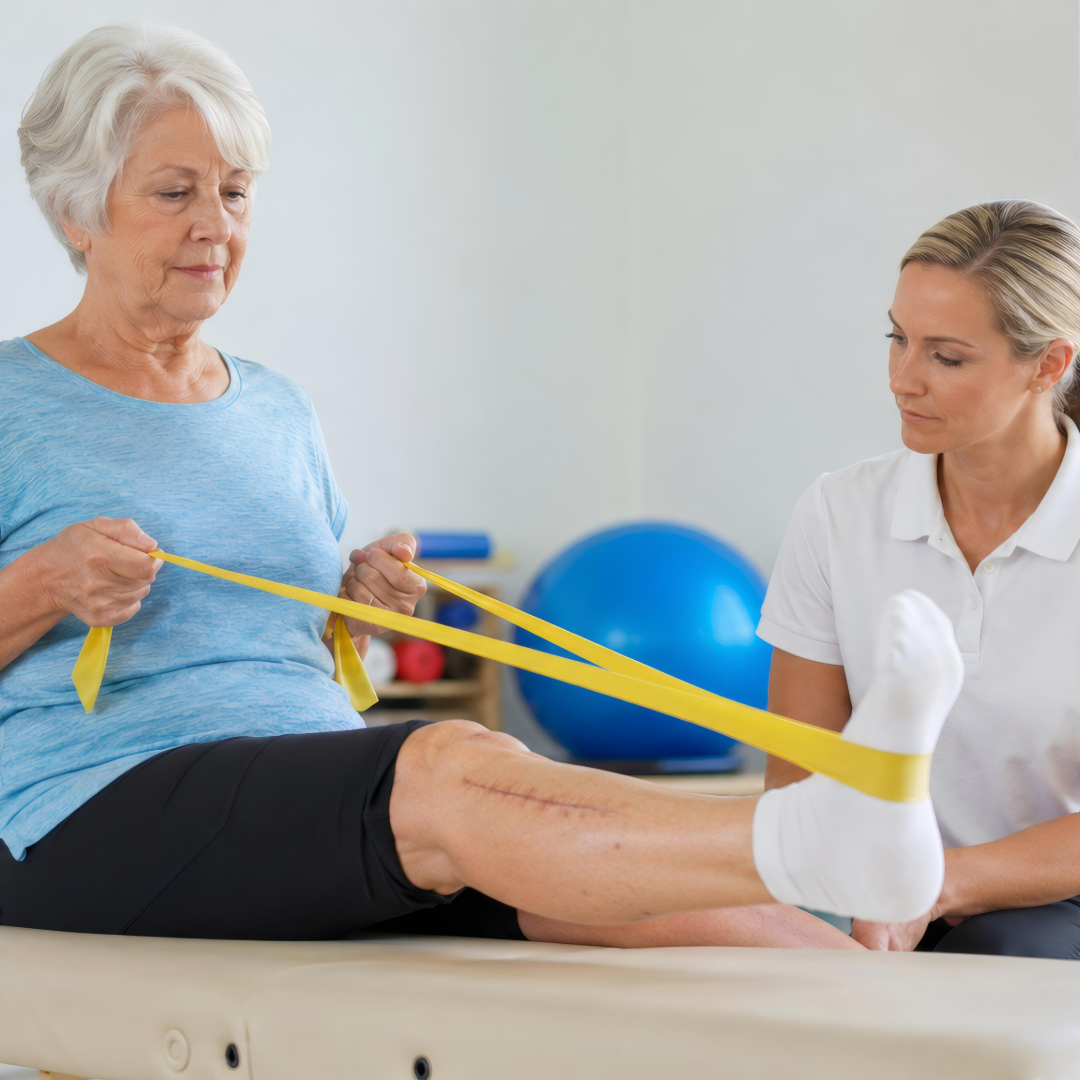
After any surgical procedure, several interconnected processes unfold simultaneously. Inflammation sets in as part of the body's natural healing response. Fluid accumulates around the surgical site. Muscles that were cut, retracted, or simply disused during the pre- and post-surgery period begin to weaken. The nervous system—disrupted by the procedure and by anesthetic agents—can struggle to maintain the same communication pathways between brain and muscle that existed before surgery.
Left without guidance, these processes can compound. Swelling that isn't properly managed becomes chronic. Muscles that aren't systematically reactivated atrophy further. Scar tissue that forms without targeted intervention can bind surrounding structures, permanently limiting range of motion. The body heals—but not necessarily in the functional, resilient way that gets you back to the activities you love.
This is precisely why post-op physical therapy exists, and why starting it at the right time is so important.
The 5 Key Clinical Benefits of Post-Op Physical Therapy
How Does Physical Therapy Manage Scar Tissue After Surgery?
Every surgical incision—external or internal—triggers the body's collagen-repair system. The result is scar tissue: fibrous collagen that fills in the gap left by the incision. When scar tissue forms in organized, flexible layers, it integrates well with surrounding structures and causes minimal functional problems. When it forms in dense, disorganized adhesions, it can tether skin to fascia, fascia to muscle, and limit the movement of nearby joints.
Targeted manual therapy, applied by a skilled physical therapist, addresses scar tissue before it matures into rigid adhesions. Hands-on techniques—including soft tissue mobilization, myofascial release, and direct scar massage—can help break up collagen adhesions and encourage the tissue to heal flexibly. Starting this process early, while scar tissue is still pliable, yields far better results than attempting to address long-standing adhesions months down the road.
At Curnyn PT, manual therapy is foundational to every post-op recovery plan—not an add-on. Our therapists work directly with the tissue, addressing the root of restrictions rather than simply managing symptoms.
How Does Physical Therapy Restore Range of Motion After Surgery?
Joint stiffness is one of the most common post-surgical complaints—and one of the most preventable. After surgery, the joint capsule and surrounding soft tissues are vulnerable to contracture: a permanent tightening that can lock the joint into a reduced range of motion if not addressed during the early healing window.
Controlled joint mobilization, performed by a trained physical therapist, safely challenges stiffness at the right time and in the right direction. The goal is not to force movement aggressively, but to apply precisely calibrated pressure that encourages the joint to maintain and expand its range as healing progresses.
Patients who begin post-op PT early—within the timeframe recommended by their surgeon—consistently achieve greater long-term range of motion than those who delay or forego rehabilitation. Once the joint capsule permanently tightens, restoring that lost motion becomes significantly more difficult, sometimes requiring additional procedures.
What Is Neuromuscular Reactivation and Why Does It Matter After Surgery?
Surgery disrupts more than tissue. The neurological connection between the brain and the muscles surrounding a surgical site is also affected—by the procedure itself, by anesthetic agents, by prolonged immobilization, and by the protective guarding response the body adopts in response to pain.
The result is neuromuscular inhibition: muscles that are structurally intact but functionally dormant. These dormant muscles can no longer properly stabilize repaired joints or support newly implanted hardware. Patients often describe this as a sense of "not trusting" the operated limb, or an inability to activate muscles on command the way they could before surgery.
Specialized post-op therapeutic movement techniques—designed specifically to reawaken inhibited muscles—address this disconnect systematically. Through progressive loading, proprioceptive training, and carefully sequenced therapeutic movement plans, physical therapists rebuild the neural pathways that allow muscles to fire reliably, powerfully, and at the right moment.
This is particularly critical for patients recovering from ACL reconstruction, total joint replacement, shoulder surgery, and spinal procedures—all areas where neuromuscular control is essential to long-term joint health.
Can Physical Therapy Reduce Pain and Swelling Without Relying on Opioids?
The relationship between movement and pain relief is well-established in rehabilitation science. Active movement—guided and progressive—stimulates the lymphatic system, which is responsible for clearing excess fluid from tissues. This means that appropriate movement, rather than extended rest, is often the most effective tool for reducing post-surgical swelling.
Beyond lymphatic drainage, therapeutic movement and hands-on manual therapy both stimulate the release of endorphins and engage the gate-control mechanisms of the nervous system—natural pain-modulating processes that reduce the perception of pain without pharmaceutical intervention. A 2020 study published in Physical Therapy found that patients who began early post-operative rehabilitation reported lower pain scores and reduced reliance on prescription opioids compared to those who delayed physical therapy.
For patients understandably concerned about opioid dependence after surgery, a well-structured post-op rehabilitation plan offers a meaningful and clinically supported alternative for pain management.
How Does Post-Op Physical Therapy Prevent Serious Complications?
The risks associated with post-surgical immobility extend well beyond stiffness and weakness. Deep vein thrombosis (DVT)—blood clots forming in the deep veins of the legs—is a serious concern after orthopedic surgery, particularly lower extremity procedures. The American Academy of Orthopaedic Surgeons identifies early post-operative mobility as a primary preventive measure against DVT formation.
Lung congestion and pneumonia are also elevated risks when patients remain sedentary for extended periods following surgery. Compensatory overload—the tendency to shift weight and stress onto uninjured joints when the operated area is painful or weak—can cause secondary problems in the hip, knee, ankle, or lower back over time.
Early, guided mobility interrupts all of these processes. Physical therapy ensures movement begins at the right intensity, at the right time, reducing systemic risks while protecting the surgical site.
What Does a Post-Op Recovery Plan Look Like at Curnyn PT?
Every post-operative recovery plan at Curnyn Physical Therapy begins with a comprehensive evaluation—a detailed assessment of the surgical procedure, current mobility, tissue quality, pain patterns, and the patient's specific goals for recovery. No two plans are identical, because no two patients are.
From that foundation, our physical therapists build a phased rehabilitation plan that evolves as healing progresses:
Phase 1 – Protection and Early Mobility: Managing swelling and pain, protecting the surgical repair, and initiating safe, early movement to prevent stiffness and support lymphatic drainage.
Phase 2 – Tissue Healing and Range of Motion Restoration: Manual therapy for scar tissue management, progressive joint mobilization, and neuromuscular reactivation through targeted therapeutic movement techniques.
Phase 3 – Strength and Stability Rebuilding: Progressive loading of the healing tissues, sport- or activity-specific therapeutic movement, and balance and coordination training.
Phase 4 – Return to Function: Full return to daily activities, sport, or work—verified through functional movement testing and therapist assessment.
Throughout every phase, Curnyn PT therapists work hands-on with each patient. Advanced techniques including dry needling and complimentary decompressive traction table therapy are incorporated where clinically appropriate, at no additional cost—because our commitment is to comprehensive care, not to billing for add-ons.
Do I Need a Doctor's Referral to Start Post-Op Physical Therapy in Fort Worth?
Under Texas law, patients have direct access to physical therapy without a physician referral. This means you can contact Curnyn PT directly—before or after surgery—to begin the rehabilitation process without waiting for paperwork to process through a doctor's office.
That said, communication with your surgical team remains important. At Curnyn PT, we collaborate closely with referring surgeons to ensure your rehabilitation plan aligns with post-operative weight-bearing restrictions, precautions, and timelines. Direct access simply ensures you don't face unnecessary delays in starting a process that has a meaningful impact on your outcome.
Curnyn PT can typically see new patients within 24 to 48 hours of contact. Early initiation of post-op rehabilitation consistently produces better long-term outcomes—starting sooner matters.
Getting Back to What Fort Worth Life Looks Like for You
Recovery after surgery isn't measured only in degrees of joint range or strength scores on a dynamometer. It's measured in whether you can walk the Trinity Trails with your family again, complete a round at the golf course without back pain, or return to work with confidence in your body's ability to keep up.
That's the outcome Curnyn Physical Therapy has been working toward for over 30 years—for patients across Fort Worth and the broader DFW community. As a physical therapist-owned and operated practice with two convenient Fort Worth locations, we bring highly trained therapists and a hands-on approach to every post-operative recovery we manage.
Surgery opens the door. Comprehensive rehabilitation gets you through it.
If you or someone you care for is preparing for surgery—or already recovering from one—reach out to Curnyn PT today. Contact us to schedule your evaluation within 24 to 48 hours. No referral required.

Frequently Asked Questions About Post-Op Physical Therapy in Fort Worth
When should I start physical therapy after surgery?
The optimal start time depends on the procedure, but most post-operative rehabilitation begins within a few days to a few weeks of surgery. For many orthopedic procedures—including total joint replacement and ACL reconstruction—early mobilization within the first days after surgery significantly improves long-term outcomes. Your surgeon and physical therapist will coordinate the appropriate timeline for your specific procedure.
How long does post-operative physical therapy typically take?
Recovery timelines vary widely by procedure and individual factors. Minor surgeries may require 6 to 8 weeks of rehabilitation, while major joint replacements or spinal surgeries typically involve 3 to 6 months of structured physical therapy. Patients who attend sessions consistently and follow their therapeutic movement plans at home tend to reach their goals more efficiently.
What is the difference between post-op PT and general physical therapy?
Post-operative physical therapy is specifically structured around the tissue healing timeline following a surgical procedure. It accounts for surgical precautions, hardware or implant restrictions, and the phased nature of tissue repair. General physical therapy for pain or injury follows a different clinical framework. The two approaches share many techniques, but post-op PT is uniquely tailored to the recovery demands of surgical healing.
Is post-op physical therapy covered by insurance?
In most cases, yes. Post-operative physical therapy is covered by the majority of major insurance plans. Curnyn Physical Therapy accepts most major insurance networks, including Blue Cross Blue Shield, Aetna, Cigna, United Healthcare, Humana, and many others. The Curnyn PT team verifies your benefits before or at your first visit so there are no billing surprises. Self-pay options are also available at a flat rate of $150 per visit. Contact the team for details about your specific plan.
Do I need a referral to start post-op physical therapy in Texas?
No. Texas law provides patients with direct access to physical therapy, meaning you can schedule an appointment at Curnyn PT without a physician referral. While coordination with your surgical team is always encouraged, the absence of a referral does not need to delay the start of your rehabilitation.
What happens if I skip post-op physical therapy after surgery?
Patients who do not complete structured post-operative rehabilitation are at significantly higher risk for long-term complications, including permanent loss of range of motion, chronic pain, muscle atrophy, joint instability, and secondary injuries caused by compensatory movement patterns. In some cases, inadequate rehabilitation after joint replacement has been linked to early implant failure or the need for revision surgery. Post-op PT is not optional for optimal outcomes—it is a clinical necessity.
Can Curnyn PT treat patients who had surgery at a different facility or with a different surgeon?
Absolutely. Curnyn Physical Therapy treats post-surgical patients regardless of where surgery was performed or which surgeon performed the procedure. Our therapists will review your surgical documentation, communicate with your surgical team as needed, and build a comprehensive recovery plan tailored to your specific procedure and goals.