
Sidelined by Pain? How Manual Therapy Helps Athletes and Active Individuals Move Freely Again

Don't Let Pain Hold You Back
Being an athlete or staying active brings a unique sense of excitement and fulfillment.
Whether you are spiking a volleyball for the winning point, running that extra mile on the Trinity Trails, or simply staying active to keep up with your grandkids, the rush of movement is undeniable. But for many active individuals in Fort Worth and beyond, that thrill often comes with a silent, nagging partner: chronic pain.
It starts as a dull ache in the knee after a jump or a tightness in the shoulder that just won't go away. Eventually, what was once a minor annoyance becomes a constant barrier, interfering not just with your sport, but with your daily life. It can feel frustrating, limiting, and frankly, exhausting.
But here is the good news: pain does not have to be your new normal. While rest and ice have their place, a comprehensive approach involves something more dynamic. Manual therapy is a hands-on treatment strategy that goes beyond symptom management to address the root cause of your discomfort, helping you recover, restore function, and get back to doing what you love.
The High Cost of the "Tough It Out" Mentality
Athletes and active individuals, particularly those with experience in dynamic sports like volleyball, basketball, or tennis, are often trained to push through discomfort.
You might tell yourself it is just part of the game. However, repetitive movements, high-impact landings, and intense training schedules can lead to chronic pain conditions that don't resolve on their own.
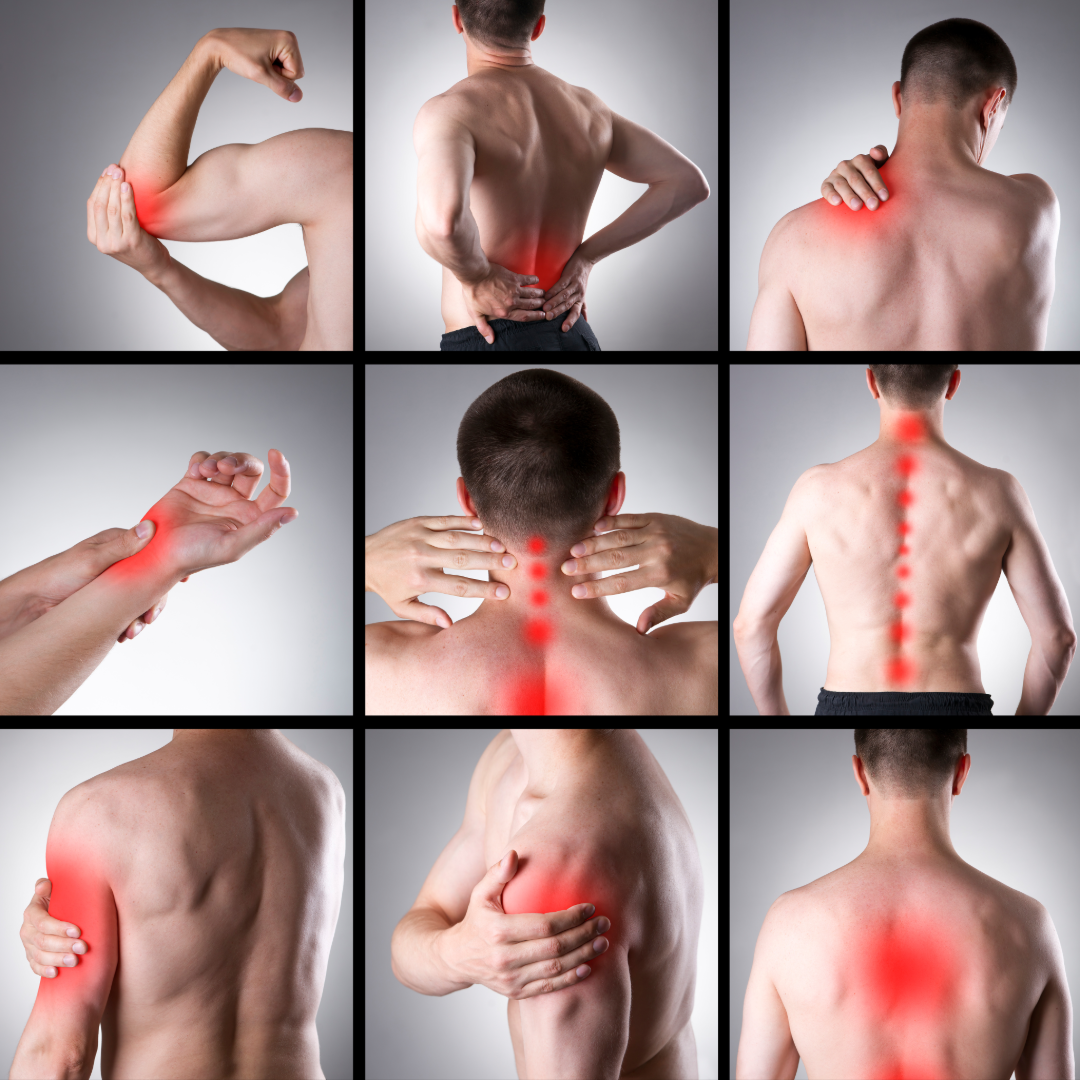
Chronic pain is different from the acute pain you feel immediately after a twisted ankle. It is persistent, lasting weeks, months, or even years. In active adults, this often manifests in key weight-bearing and high-usage areas:
The Knees: Patellar tendonitis (often called "jumper's knee") is a frequent complaint for those involved in impact sports.
The Shoulders: Repetitive overhead motions can lead to rotator cuff issues or impingement.
The Lower Back: The strain of stabilizing the body during dynamic movement often settles in the lumbar spine.
When left untreated, these issues do more than just bench you for the season. They can make simple tasks—like carrying groceries, gardening, or playing with your children—painful. This is where the expertise of a Doctor of Physical Therapy becomes essential.
Measuring Pain
Pain is a subjective experience, but understanding how to measure it effectively can make a significant difference in treatment and recovery outcomes.
One commonly used tool is the Numeric Pain Rating Scale (NPRS), often referred to as the scale of 1 to 10. This scale helps both patients and therapists quantify pain levels, ensuring appropriate treatment strategies are implemented.
A level 1 to 3 😕 indicates mild pain —usually tolerable and not significantly interfering with daily life.
Levels 4 to 6 ☹️ represent moderate pain, where discomfort starts to impede certain activities and requires attention.
Levels 7 to 10 😭 signify severe pain, ranging from debilitating discomfort to unbearable agony, where even basic tasks become challenging or impossible.
How do I Rate my Pain Level?
When asked to rate your pain on this scale, try to focus on how it feels in the context of your daily activities. Mild pain (1-3) might feel like a minor ache or stiffness noticed only during specific movements. Moderate pain (4-6) could present as sharp or throbbing sensations that distract you or limit your mobility. Severe pain (7-10) often makes it difficult to think of anything else and may cause sweating, nausea, or the inability to move comfortably.
By aligning your pain descriptions with these benchmarks, you provide your physical therapist with essential information to tailor treatments that meet your needs effectively.
What is Manual Therapy?
Manual therapy is exactly what it sounds like: a specialized, hands-on approach to physical therapy. Instead of relying solely on machines or passive treatments, our therapists use their hands to mobilize joints and soft tissues.
At Curnyn PT, we utilize a manual therapy approach to restore your movement and function. Correcting mechanical problems in joints, muscle tissues, or connective tissues goes to the root of most patients' pain. It bridges the gap between limited mobility and functional freedom.
Key Techniques in Manual Therapy
Soft Tissue Mobilization: This involves applying pressure to the muscles, ligaments, and tendons. It helps break up scar tissue or adhesions (knots) that may have formed due to overuse or past injury. This improves circulation, reduces swelling, and helps muscles relax.
Joint Manipulation and Mobilization: Sometimes, a joint is stiff or "stuck" within its range of motion. Skilled therapists use measured movements of varying speeds and forces to help loosen these joints, reduce pain, and restore better movement patterns.
Targeted Warm- up and Stretching: While you might warm- up and stretch on your own, a therapist can provide assisted techniques that target deep muscle groups you cannot reach yourself, further improving flexibility and helping prevent injury.
A Spotlight on Volleyball: Addressing Sport-Specific Pain
As both a physical therapist at Curnyn PT and a former collegiate volleyball player, I understand firsthand the unique demands this sport places on the body. Volleyball requires explosive power, constant jumping, and repetitive overhead swinging—all of which can take a toll over time.
One of the most common issues I see in volleyball players is overuse injuries, like shoulder impingement or lower back strain caused by the hyperextension involved in serving. For example, when a player comes to me with shoulder pain, I often focus on releasing tight pectoral muscles that are pulling the shoulder forward. I also work to mobilize the thoracic spine, which can help relieve pressure on the lower back.
For athletes dealing with “jumper’s knee,” my approach includes soft tissue work on the quadriceps and hamstrings to reduce the tension on the tendon. I also perform joint mobilizations at the ankle and hip to ensure the entire kinetic chain is working properly to absorb shock.
Manual therapy has the power to address these problems at their root, helping athletes not only recover but also perform at their best.
Beyond Recovery: Prevention and Performance
One of the biggest misconceptions about physical therapy is that it is only for when you are injured. In reality, manual therapy is a powerful tool for prevention and performance enhancement.
By restoring proper movement patterns, manual therapy ensures your body is moving efficiently. When your joints move freely and your muscles aren't fighting against tension, you are less likely to compensate with poor form—which is the number one cause of future injury.
Furthermore, a body that moves well performs well. Whether you are looking to improve your vertical jump, perfect your golf swing, or simply walk around the block without stiffness, manual therapy sets the foundation for a customized therapeutic movement plan that keeps you active for the long haul.
Taking the Next Step Toward Relief
Chronic pain doesn't have to be the end of your active lifestyle. Whether you are a former competitor looking to reclaim your fitness or an active adult wanting to stay mobile, manual therapy offers a pathway to relief that avoids reliance on medication or premature surgery.
At Curnyn PT, we are committed to helping you recover, restore, and thrive. Let’s get you back in the game of life. Contact us today.