
What Does a Physical Therapist Actually Know?
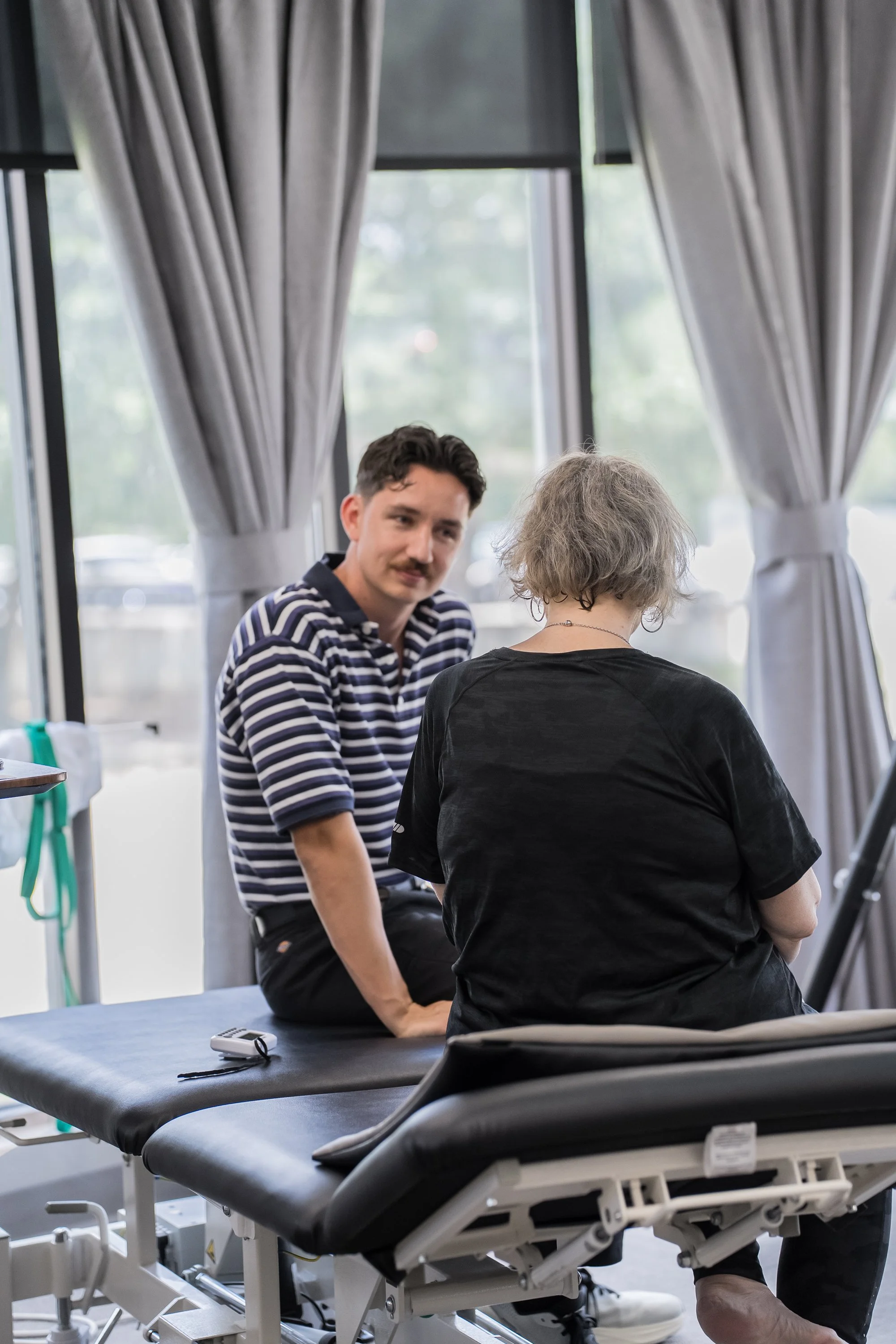
Quick answer: Physical therapists complete six to seven years of rigorous education—including a doctoral-level degree—before treating a single patient. Their training spans biomechanics, neuroscience, musculoskeletal pathology, and clinical rotations, equipping them to assess, diagnose, and treat a wide range of pain and movement conditions without a physician referral.
Most people picture a physical therapist handing out a sheet of stretches and sending you on your way. That picture couldn't be further from the truth. The reality is that becoming a licensed physical therapist requires years of demanding, doctorate-level education—training that goes far deeper than general health advice, and far more specialized than most people realize. At Curnyn Physical Therapy, that depth of knowledge is the foundation on which every single patient's care is built.
This post breaks down what that education actually looks like, why it matters for your recovery, and how the team at Curnyn PT is committed to putting that expertise to work for you—and for the next generation of Fort Worth's finest physical therapists.
How Many Years Does It Take to Become a Physical Therapist?
The path to becoming a licensed physical therapist is long by design. The traditional route spans approximately seven years, though accelerated programs can compress this to six. Here's what that looks like:
Step 1: Undergraduate Education (4 years)Before applying to PT school, aspiring physical therapists complete a bachelor's degree—typically in kinesiology, exercise science, biology, or a related field. During this time, they complete rigorous prerequisite coursework in anatomy, physiology, chemistry, physics, and psychology.
Step 2: Doctor of Physical Therapy (DPT) Program (3 years) After earning their bachelor's degree, candidates apply to a Commission on Accreditation in Physical Therapy Education (CAPTE)-accredited DPT program. This is where the true depth of physical therapy education takes shape. DPT coursework covers:
Biomechanics
Neuroscience
Pharmacology
Pathology
Musculoskeletal and neuromuscular physical therapy
Cardiovascular and pulmonary physical therapy
Evidence-based clinical practice
DPT students also complete 22 to 38 weeks of hands-on clinical rotations before graduation—working directly with patients under the supervision of licensed physical therapists. By the time a PT walks into a clinic on their first day, they've already accumulated hundreds of hours of real patient care experience.
Step 3: Licensure and Ongoing CertificationAfter graduation, physical therapists must pass the National Physical Therapy Examination (NPTE) and meet state licensure requirements. Many continue beyond that, pursuing advanced certifications in areas like manual therapy, dry needling, and orthopedic specialization.
That's just the baseline. Our team at Curnyn PT holds advanced certifications in manual therapy, representing some of the highest levels of post-graduate specialization available in the field.
Why PT Expertise Goes Far Beyond "Just Exercises"
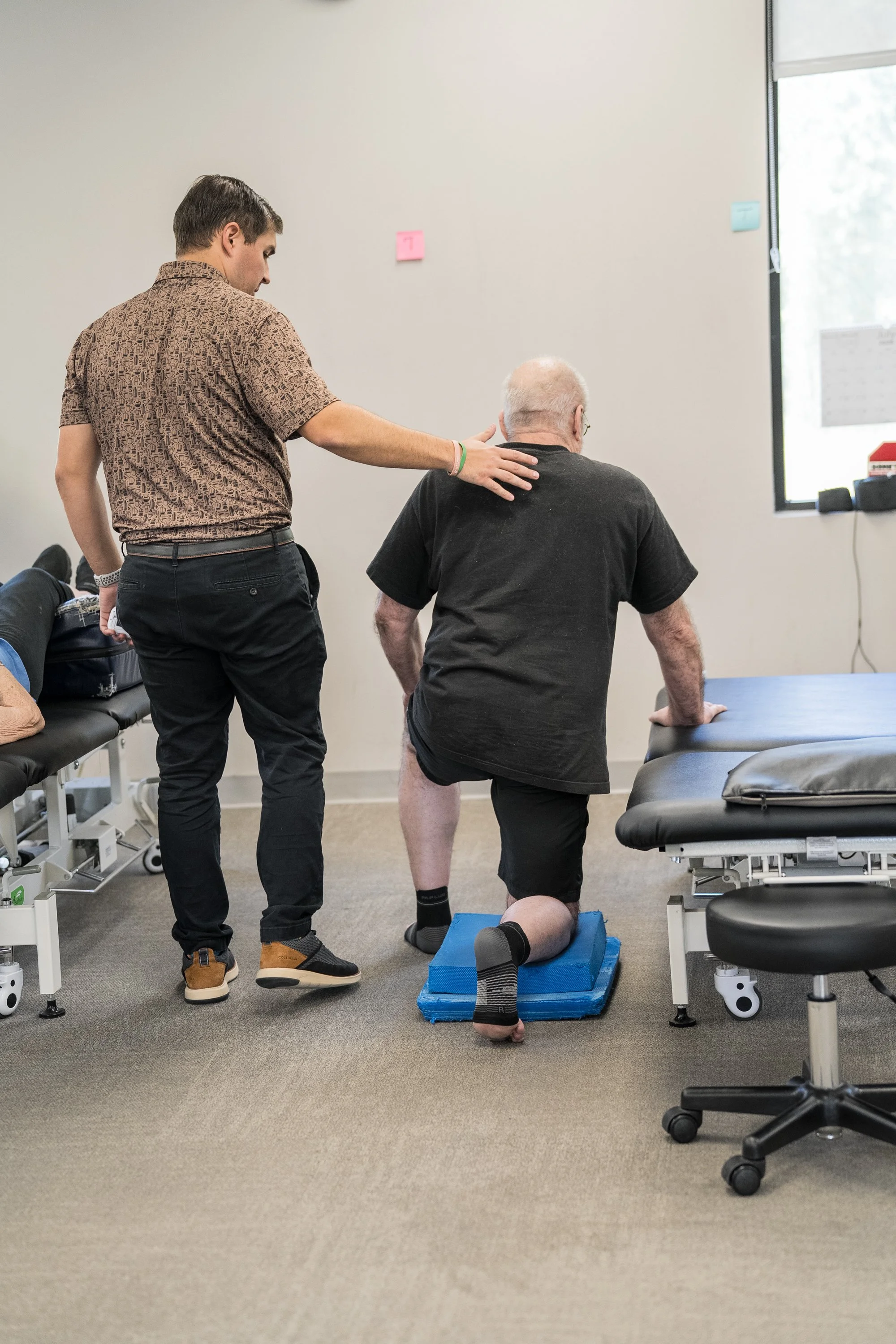
Physical therapy is often misunderstood as a glorified stretching regimen. But the musculoskeletal system—the network of muscles, bones, tendons, ligaments, and connective tissues that governs how you move—doesn't operate in isolation. It constantly interacts with the nervous system, meaning that pain, dysfunction, and compensation patterns are rarely as simple as they appear on the surface.
Physical therapists are trained to understand these interactions at a sophisticated level. When you come in with back pain, a skilled PT isn't just looking at your back. They're examining your movement patterns, postural alignment, joint mechanics, and the way your nervous system is responding to load and stress. They're thinking about where the dysfunction originated—not just where it's showing up.
At Curnyn PT, this comprehensive approach is central to everything. Rather than treating symptoms in isolation, the team works to identify and address the root cause of your pain. That's the difference between short-term relief and lasting results.
This is also where physical therapy holds a significant advantage over generalized advice or less specialized alternatives. A general practitioner may not have the time—or the training—to perform the kind of detailed biomechanical assessment a PT conducts every day. And while chiropractic care offers value for certain conditions, it operates with a different scope and methodology. Physical therapists are specifically trained in musculoskeletal rehabilitation, movement re-education, and progressive therapeutic movement planning across the entire kinetic chain.
Can a Physical Therapist Read My MRI or X-Ray?
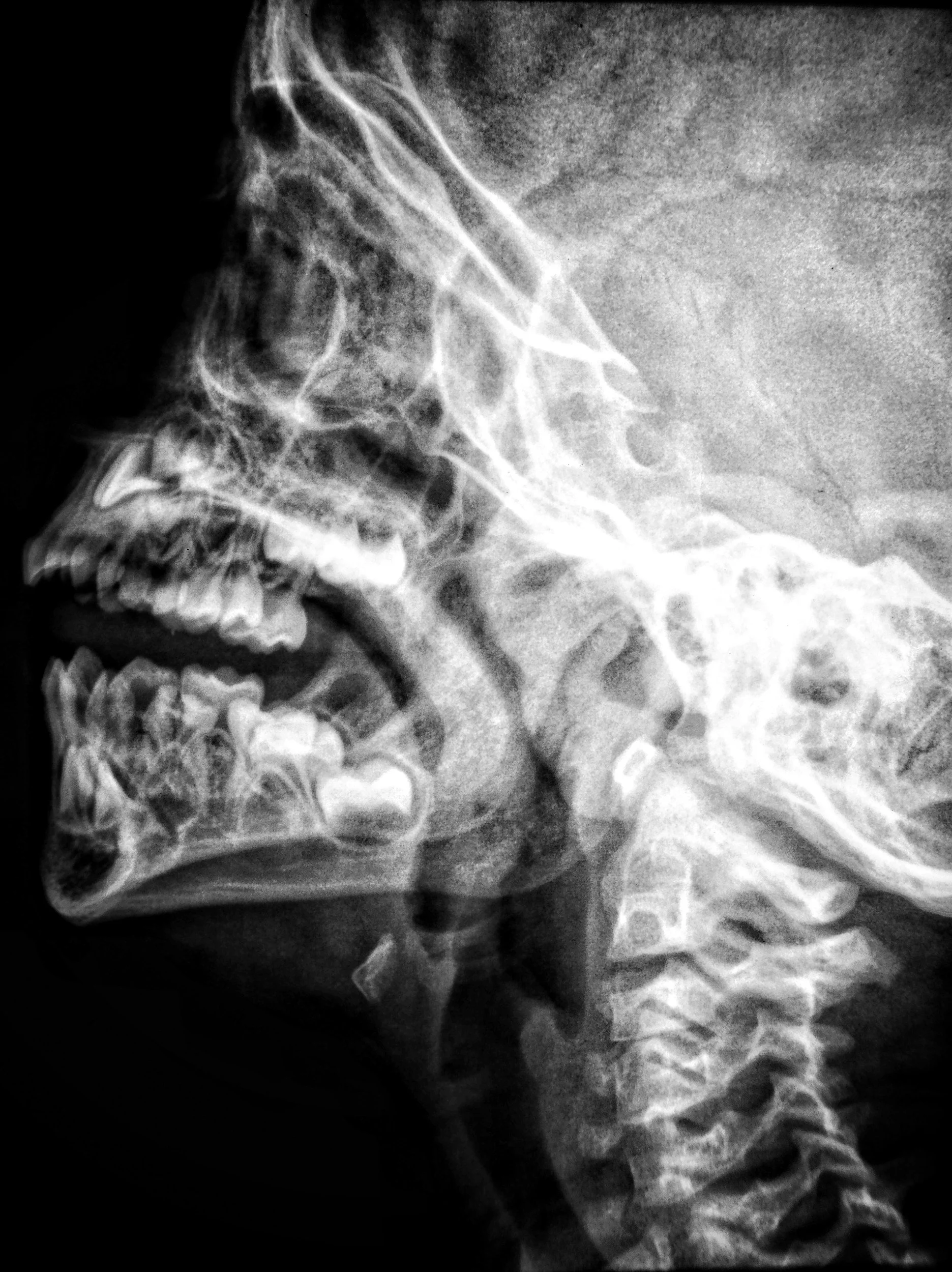
Yes—and this is an important point that often surprises patients.
Here's something that might surprise you about imaging results: a *major study published in a leading medical journal looked at 3,110 people who had no back pain at all. What they found was eye-opening.
By age 80, 96% of pain-free adults showed signs of disc degeneration on their scans. Even younger adults in their twenties showed similar findings — with nearly 30% having disc changes despite feeling perfectly fine.
In other words, most adults have spinal changes that show up on imaging — and never feel a thing.
This is an important distinction that y'all should know: what shows up on a scan doesn't always tell the whole story of how you feel or how well you can move.
Why Labels Like "Arthritis," "Disc Herniation," and "Meniscus Tear" Can Do More Harm Than Good
This is one of the most important conversations happening in physical therapy today, and it's one that the team at Curnyn PT takes seriously.
When a patient receives a scan and gets handed a label—"You have arthritis," "You have a disc herniation," "You have a meniscus tear"—it can feel like a life sentence. The language alone carries weight. These words trigger fear, catastrophizing, and a sense that the body is broken beyond repair. Many patients leave those appointments feeling like their only options are surgery or suffering through it.
That's simply not true. And the research backs it up.
Findings on imaging are often classified as "incidental"—meaning they exist on the scan but may have little to no relationship to a patient's actual pain. The disc bulge that shows up on an MRI may have been there for years before any symptoms began. The arthritis visible in a knee X-ray might be present in equal measure in someone who jogs pain-free every morning. The meniscus change flagged in a report might be entirely unrelated to what's causing discomfort.
Physical therapists are trained to interpret imaging in context. They understand that a label on a report is not a diagnosis of someone's pain—it's a snapshot of tissue that must be evaluated alongside movement, strength, posture, history, and function. When a skilled PT reads your imaging, they're not just reading the report. They're correlating it with everything else they observe about you.
At Curnyn PT, this means patients aren't led to believe that a finding on a scan defines their future. The question isn't, "What does the image show?" The question is, "What's actually driving your pain, and how do we fix it?" That distinction matters enormously—because it shifts the conversation from resignation to action.
Conservative care through physical therapy can alleviate and, in many cases, eliminate pain that patients were told would require surgery or indefinite management. The key is comprehensive assessment by someone trained to see beyond the label.
A Practice Built on Therapist Excellence
Understanding PT education is one thing. Experiencing it firsthand is another.
Curnyn Physical Therapy was founded in 1991 by Denny Curnyn, PT, MA, AT—a physical therapist with a background in both athletic training and physical therapy, who left the corporate healthcare model to build something different. His philosophy was simple: a therapist-owned clinic, led by clinicians who are invested in outcomes, creates the ideal environment for exceptional patient care. More than 30 years later, Curnyn PT stands as the longest-running physical therapist-owned clinic in Fort Worth.
That ownership structure isn't just a point of pride—it shapes everything about how the clinic operates. The decisions made at Curnyn PT are made by physical therapists, for patients and therapists alike. There are no corporate quotas driving treatment decisions, no pressure to move patients through like numbers. Just skilled clinicians, given the time and autonomy to do their best work.
The therapists on the Curnyn PT team hold advanced certifications in manual therapy. They bring this expertise to every patient, every session, every plan.
Why Curnyn PT Is One of Fort Worth's Best Places to Work
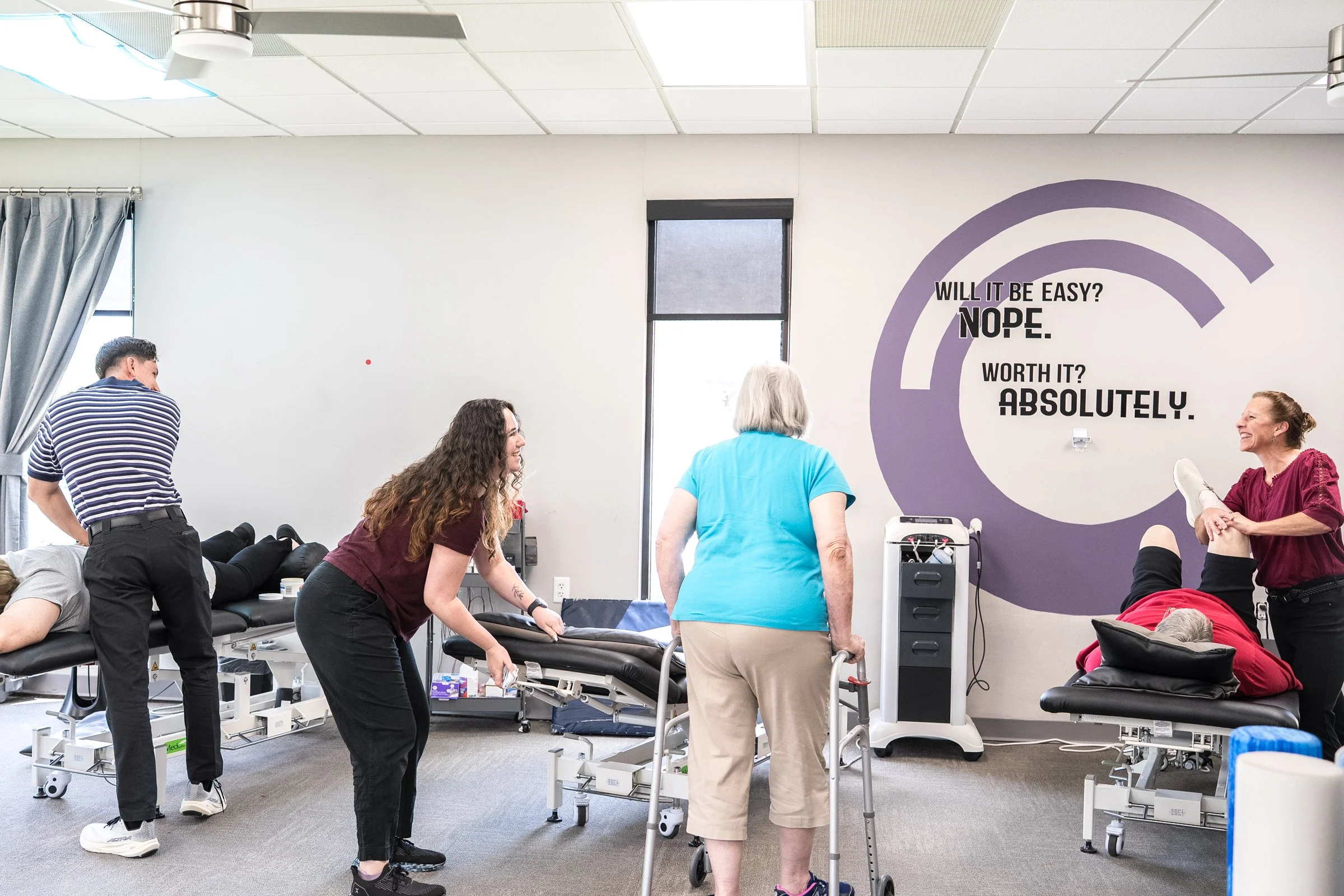
Here's something worth noting for any physical therapist reading this: Curnyn PT's recent recognition through Fort Worth Magazine features and the Best Places to Work Award didn't happen by accident. It's a direct reflection of a culture built around therapist development, respect, and autonomy.
Denny's original mission—to break away from institutional healthcare and create a space where therapists could thrive—has translated into a workplace where clinicians are genuinely valued. At Curnyn PT, therapists are not interchangeable staff members filling patient quotas. They are the core of the practice. They are listened to, supported, and givenreal opportunities to grow professionally through continuing education and specialization.
For a PT looking for a place to build a meaningful career in Fort Worth, that distinction matters. The best patient outcomes come from therapists who feel respected, supported, and professionally stimulated. That's the environment Curnyn PT has cultivated—and it shows in the results their patients experience.
Your Next Step Toward Real Relief
Physical therapy is not a last resort. It's a doctorate-level, evidence-based healthcare discipline practiced by clinicians who have spent years learning to understand the human body at a level most people don't appreciate. Here in Texas, you don't need a doctor's referral to get started. Direct access allows you to schedule an appointment and begin your care right away. We always aim to get you on the schedule within 24 to 48 hours—no waiting, and no gatekeepers.
If you've been handed a diagnosis that feels like a dead end, or if you've been managing pain that no one has taken the time to properly evaluate, the team at Curnyn PT is ready to take a closer look. Not at your imaging report. At you.
Schedule your appointment at Curnyn PT today.
Frequently Asked Questions
How many years of school does a physical therapist complete before practicing?
Physical therapists complete six to seven years of education before becoming licensed. This includes four years of undergraduate study and three years in a doctoral Doctor of Physical Therapy (DPT) program, followed by licensure examinations. Many practicing PTs also pursue additional post-graduate certifications in areas like manual therapy or orthopedic specialization.
What is the difference between a physical therapist and a chiropractor?
Both physical therapists and chiropractors address musculoskeletal pain, but their training, scope, and methods differ significantly. Physical therapists complete doctoral-level programs focused on musculoskeletal rehabilitation, movement analysis, neuromuscular function, and therapeutic movement planning across the full body. Physical therapy is particularly effective for rehabilitation, recovery from injury or surgery, and long-term functional restoration.
Can a physical therapist help me even if I've already had an MRI or X-ray?
Yes—and the imaging can actually be a useful part of the conversation. Physical therapists are trained to interpret diagnostic imaging in the context of your overall clinical presentation. They understand that many imaging findings, such as disc degeneration or arthritis, are common in people who have no pain at all and must be evaluated alongside your movement patterns, strength, history, and function before drawing conclusions.
Do I need imaging or a diagnosis before starting physical therapy?
No, you don’t need imaging or a formal diagnosis before beginning physical therapy. While imaging like MRIs or X-rays can sometimes provide helpful context, it’s not a requirement to start treatment. Physical therapists are skilled at assessing your condition based on your movement, strength, and function. If imaging or a doctor’s referral isn’t necessary for your insurance, don’t feel obligated to spend extra money or delay care—you can take the first step toward feeling better today.
Do I need a doctor's referral to see a physical therapist in Texas?
No. Texas has direct access laws that allow patients to see a licensed physical therapist without a physician's referral. At Curnyn PT, y'all can typically be seen within 24 to 48 hours of reaching out.
Can physical therapy actually eliminate pain, or does it just manage it?
Physical therapy can do both—and for many patients, it eliminates pain entirely by addressing the root cause of the problem rather than masking symptoms. The outcome depends on the condition, how early care begins, and the quality of the therapeutic plan. At Curnyn PT, the goal is always lasting results, not temporary relief.
Is Curnyn PT a good place to work as a physical therapist?
Curnyn PT has been recognized in Fort Worth Magazine and received the Best Places to Work Award—acknowledgments that reflect its reputation as a therapist-first practice. As a PT-owned clinic, Curnyn PT invests in its team through continuing education, advanced training opportunities, and a culture that values clinical autonomy and collaboration.
Are you a physical therapist seeking to join an exceptional team? We are actively seeking outstanding physical therapists, just like you! Contact us today.